Climber's Finger

Climber's Finger
You might be familiar with it: you're climbing a tough route, after weeks of projecting you're almost at the top, you pull on that one difficult crimp, and suddenly feel pain in your finger, accompanied by a popping sound. A pulley injury, but what exactly is it? In this blog post, we'll delve deeper into this injury.
What is Climber's Finger?
A pulley injury is damage to the tissue that holds the bones and tendons of the fingers together. It's an injury to one of the annular pulleys that keep your finger's flexor tendon close to the bone. Each finger has no fewer than five annular pulleys, which consist of multiple fibrous layers. Without these pulleys, the tendon would be like a string protruding when the finger is bent, known as the 'bowstring effect'. Because annular pulleys consist of multiple layers, you can also partially tear a pulley. We recognize four different grades of pulley injuries, and each grade has a different recovery time. These grades range from tissue irritation to a completely ruptured pulley.
Symptoms
- Pain on the palmar side of the finger.
- Swelling in the affected area.
- Tenderness to touch when touching the affected pulley.
- Pain when bending the finger against resistance.
- Bowstring effect: the detachment of the flexor tendon from the bone, visible with a completely ruptured pulley.
Causes and Consequences of Climber's Finger
A pulley injury occurs when the tensile force of the flexor tendon in the finger is too great for the annular pulley to withstand. In climbing, pulley injuries account for 30% of all finger injuries. Causes include insufficient warm-up before climbing, continuous overuse of the flexor tendon, or an unexpected sudden pulling force, such as during a fall.
The risk of re-injury with a pulley injury is high; if the finger is reloaded too quickly, the pulley may not heal properly or, even worse, re-tear or tear further. Therefore, it's crucial to gradually rebuild the load. Fortunately, the pulley heals on its own; surgery is only recommended for elite athletes or if multiple annular pulleys in the same finger are ruptured.
Treatment
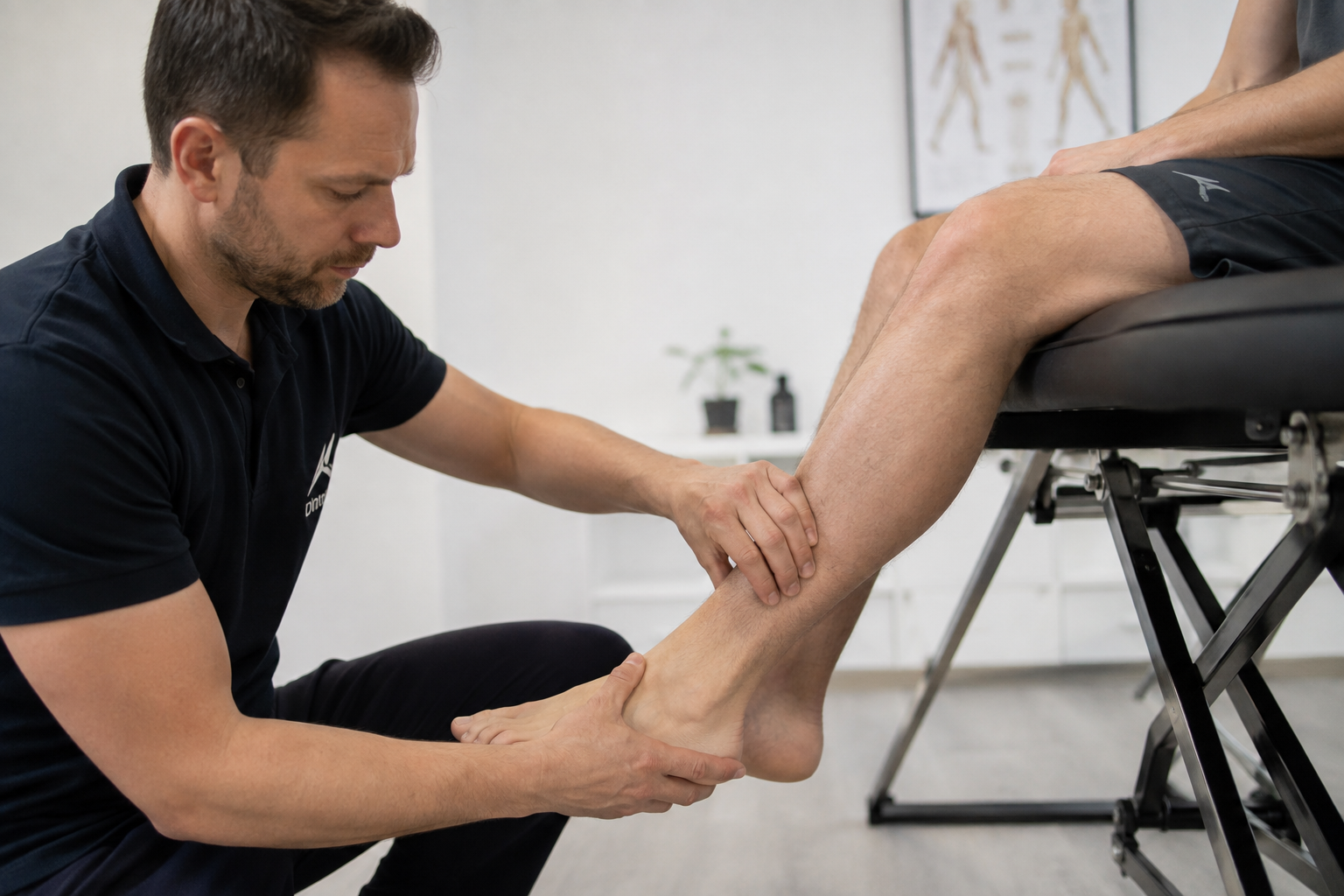
If you suspect you have a pulley injury, it's advisable to consult a physiotherapist who specializes in climbing and, of course, hand injuries. Through an interview and examination, they will assess whether it appears to be a pulley injury. If necessary, a definitive diagnosis can be made using ultrasound. The treatment and expected recovery time will vary depending on whether one or more pulleys are damaged, and whether the tear is partial or complete.
For a pulley injury, we recommend applying H-tape for the first few weeks. This taping method supports the finger's natural function and prevents the tendon from being overloaded again. After a short period of rest, it's important to gradually rebuild strength in the tendons.
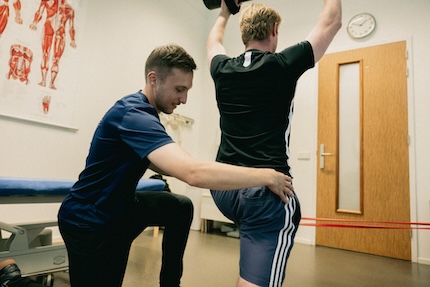
You start with minimal load and gradually increase it from there. By slowly and progressively rebuilding strength, the tendons will function at their previous level within 3-12 months.
Prevention
To prevent climber's finger, it's important to:
- Warm up before climbing.
- Improve technique to avoid overuse.
- Rest between climbing sessions to allow for recovery.
- Perform strength training for the fingers to strengthen them.