Calf Strain

A calf strain, also known as a muscle rupture, is a common injury among athletes. It involves an acute calf muscle tear, which occurs suddenly and is often accompanied by sharp, intense pain. This injury is particularly common in sports that require fast sprinting or jumping movements, such as soccer, running, tennis, and athletics. In this blog, we discuss the causes, recovery methods, and ways to prevent a calf strain.
What is a calf strain?
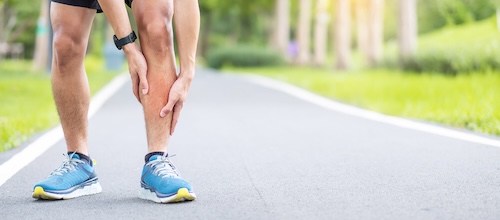
A calf strain occurs when the muscle fibers in the calf muscle tear abruptly. This usually happens during explosive movements, such as pushing off in a sprint, sudden turns, or jumps. Athletes often feel a sharp pain, which is compared to the sensation of being hit in the calf. This often leads to an immediate stop of the activity because further movement is virtually impossible.
Since a calf strain is the most common form, this discussion focuses on the calf. However, you can also get a strain in a thigh or gluteal muscle, but the term 'strain' will primarily be used for a calf injury.
Causes in Athletes
Athletes are at a higher risk of calf strains due to the intensity and frequency of their training. The main causes are:
- Overuse: When the calf muscles are overloaded, for example by repeatedly pushing off to sprint or intensive jumping, they become exhausted and more susceptible to injuries.
- Lack of Warm-up: An insufficient warm-up increases the risk of muscle injuries, as cold muscles are less elastic.
- Muscle Fatigue: Athletes who engage in prolonged exertion without sufficient rest periods risk muscle fatigue. Fatigued muscles cannot recover quickly enough and are more prone to injuries.
- Older Age: As an athlete ages, muscle elasticity decreases, which increases the risk of injuries.
- Muscle Imbalance: If certain muscles (such as the hamstrings or quadriceps) are stronger than the calf muscles, this can lead to extra strain on the calf, increasing the risk of a tear.
Symptoms of a Calf Strain?
A calf strain can be identified by the following symptoms:
- Sudden, sharp pain: This pain occurs immediately during a movement and can feel as if something snapped in the calf.
- Swelling and Bruising: The injury may be accompanied by swelling, and bruising often appears after a few days due to internal bleeding.
- Muscle Weakness: The affected leg feels weak, making walking or standing on tiptoes difficult.
- Restricted Movement: Stretching the foot or walking can be very painful, severely limiting movement.
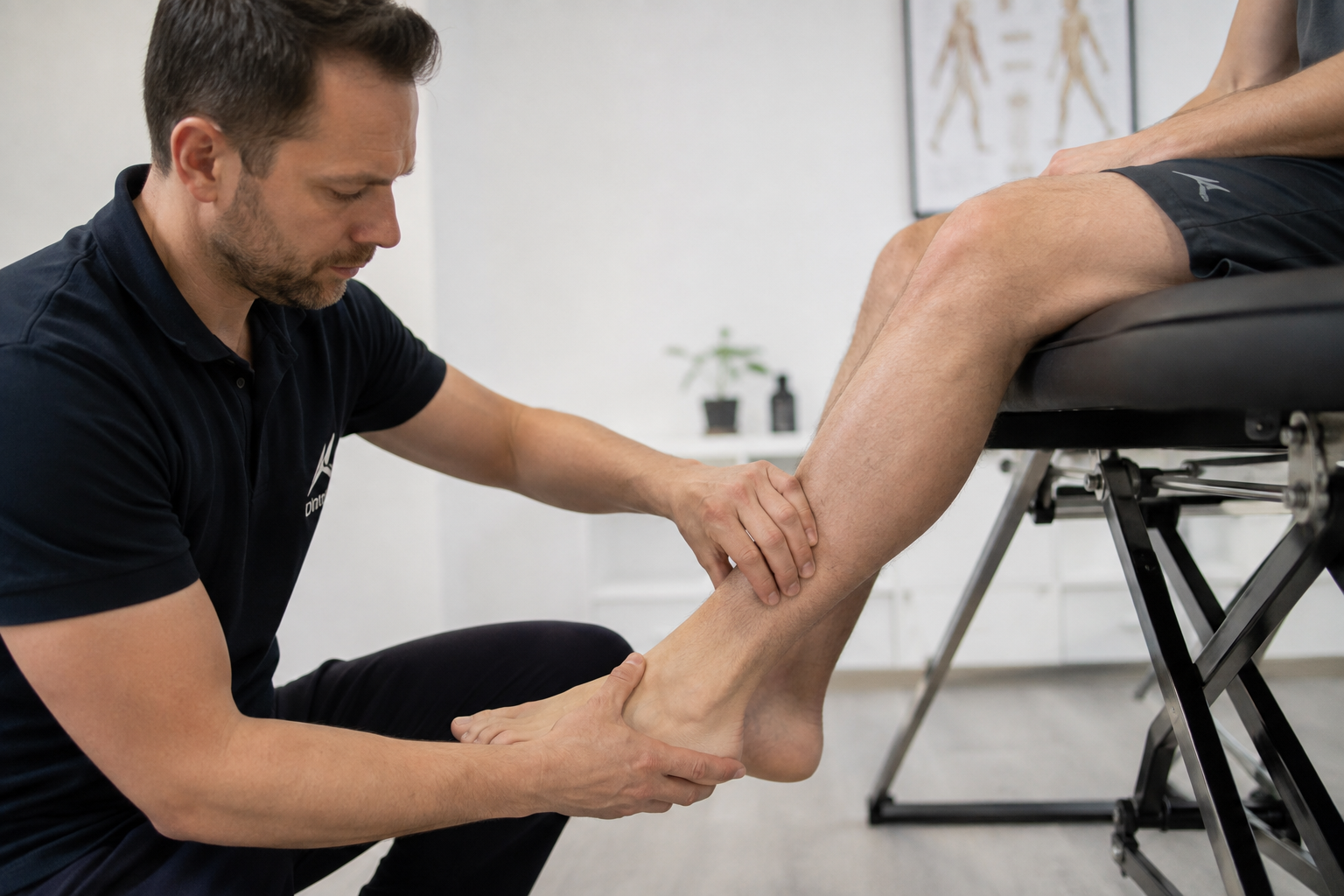
A physical examination by a physiotherapist is recommended if you believe you recognize the above symptoms. In our practice, if necessary, an ultrasound can be performed to better assess the damage. There are different grades of muscle tears and it is important to quickly determine the grade of your calf injury to establish optimal treatment and set appropriate expectations for recovery.

Treatment and Recovery from a Calf Strain
The recovery process for a calf strain can vary from a few weeks to months, depending on the severity of the injury. Treatment often follows the RICE principle:
- Rest: Avoid further strain on the muscle. Athletes should completely stop training and adjust their activities to give the calf the necessary rest.
- Ice: Applying ice to the injury for 10-15 minutes, several times a day, helps reduce swelling and pain.
- Compression: An elastic bandage around the calf helps control swelling and provides support.
- Elevation: Elevating the leg promotes blood circulation and reduces swelling.
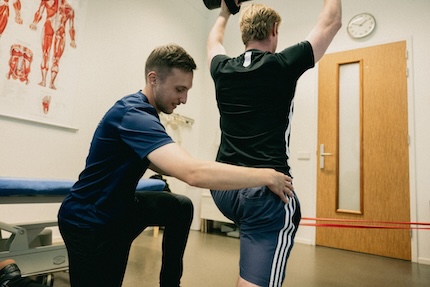
In some cases, physical therapy is necessary to rebuild mobility and strength in the calf muscle. A physical therapist can guide athletes through stretching exercises, strength training, and regaining muscle balance to prevent recurrence. Sometimes, support through calf taping helps to gradually increase load.
For athletes, it is important to find the right balance between rest and load capacity, because too early a return to activity increases the risk of recurrence, but too long a period of inactivity also has consequences for fully resuming your sport. Full recovery can take weeks or even months, depending on the severity.
Preventing a Calf Strain?
While a calf strain cannot always be prevented, there are measures athletes can take to minimize the risk:
- Thorough Warm-up and Cool-down: A good warm-up ensures that muscles are warmed up, making them more elastic and less prone to injury. A cool-down helps to gradually relax the muscles after exertion.
- Regular Stretching: Maintaining the flexibility of the calf muscles reduces the risk of muscle tears.
- Strength Training: By strengthening the muscles, especially the calf muscles, load capacity can be increased. This helps prevent injuries.
- Sufficient Rest: Overtraining and insufficient recovery time can lead to fatigued and sensitive muscles. It is essential to give muscles enough time to recover after intensive training sessions.
- Footwear: Wearing good footwear that provides adequate support to the feet and legs can reduce the strain on the muscles.
And don't suddenly do something you're not at all used to, like suddenly sprinting uphill ten times when you've only trained on the track for the past few weeks.
Conclusion
A calf strain is a common injury among athletes who perform explosive movements. It can cause pain, discomfort, and a long recovery period, hindering athletic performance. By taking appropriate preventive measures, such as a good warm-up, stretching, and strength training, athletes can significantly reduce the risk of a calf strain.
If you have experienced a calf strain, timely diagnosis, a clear treatment plan, and patience during the recovery process are crucial to prevent recurring injuries and to be able to perform at full capacity again.