Shin Splints in runners: Understanding, Preventing, and Treating

Shin splints (MTSS): causes, treatment, and prevention
A nagging pain along the inside of your shin that really gets in the way of enjoying your run: that is typical of shin splints. This condition is common among runners, both beginners and experienced athletes alike. In this blog post, you will learn what shin splints are, what causes them, what you can do about them yourself, and when it is wise to see a physical therapist.
What are shin splints?
Shin splints, also known in healthcare as medial tibial stress syndrome (MTSS), is an overuse injury of the lower leg. Repeated stress causes the muscles, tendons, and bone along the inside of the shin to become overloaded, leading to pain. The bone reacts to this repetitive stress, becoming sensitive and painful. If the training load is not adjusted in time, this can develop into a more serious injury, such as a stress fracture.
Why do you get shin splints?
The primary cause is a training load that increases faster than your body can handle. These factors play a role:
- Increasing training too quickly. Running more miles, increasing intensity, or training more frequently without giving your lower legs time to adapt. This is the most common trigger.
- Insufficient recovery between workouts. Bone and muscle tissue need rest to become stronger.
- Running surface. Running frequently on hard or uneven surfaces increases the impact on your legs.
- Weak lower leg and core muscles. If your muscles are less effective at absorbing shock, more stress is placed on the bone.
- Running technique and footwear. A long stride (overstriding), overpronation, or shoes that don't suit you can be contributing factors. However, research shows that the link to injury is less significant than that of training load. Therefore, view these as secondary factors, not the primary cause.
How do you recognize shin splints?
The most common symptoms are:
- Pain along the inside of the shin, ranging from mild to severe, often occurring during or after running
- Tenderness when pressing on the shin and sometimes slight swelling
- Pain at the start of a workout, which may subside initially but can worsen over time
Shin splints: what can you do yourself?
You usually don't have to stop moving entirely with shin splints, but you do need to adjust the intensity. A few tips:
- Reduce the load. Run fewer kilometers or at a slower pace, or take a temporary break. Maintain your fitness with cross-training that puts little strain on your lower legs, such as cycling, swimming, or using an elliptical trainer.
- Build up gradually. Only move on to the next workout if you have little or no pain during and after the previous one. If you do have pain, repeat the workout. Also read our article on the running schedule after an injury.
- Choose a soft surface where possible, such as grass or a treadmill, especially at the start of your recovery.
- Work on strength. See below.
Strength training: protection against overuse
With every step, your lower leg muscles and tendons absorb a multiple of your body weight. If they aren't strong enough, more stress is placed on the shinbone. Research shows that strength training can significantly reduce the risk of overuse injuries. It is therefore not only part of your recovery but also one of the best ways to prevent shin splints from returning.
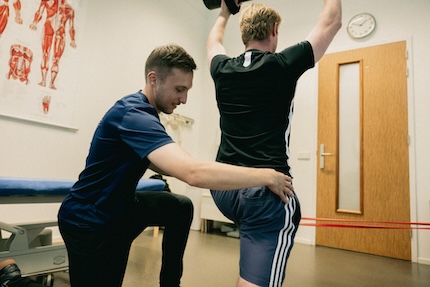
Not everyone lacks strength in the same area. For some, it's in the calves or feet; for others, it's in the glutes, hip muscles, or core stability. That’s why at USC, we use tests to determine where you lack strength and create a tailored exercise program for you. You will receive exercises that suit your body and your goals, alongside your running progression.
Running analysis with Runeasi
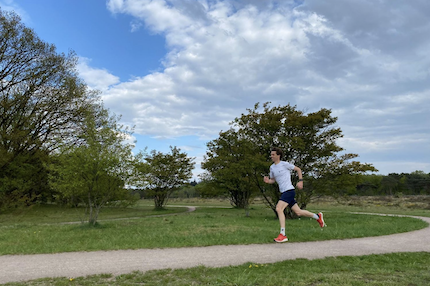
At our practice in Amsterdam, we use the Runeasi AI running assessment tool, developed by KU Leuven. While you run, Runeasi measures factors such as impact forces, stability, and symmetry. This allows us to see if there are technical factors contributing to your symptoms.
Based on the analysis, we can explain the most favorable way for you to land your feet and help you adjust your running technique. The analysis is fully tailored to your body and running style, and serves as a complement to a proper training plan and strength training. Read more about Runeasi at USC Fysiotherapie or schedule an analysis directly.
When should you see a physiotherapist?
Make an appointment if:
- the pain does not subside, even after you have reduced your activity level
- the pain is also present at rest or at night
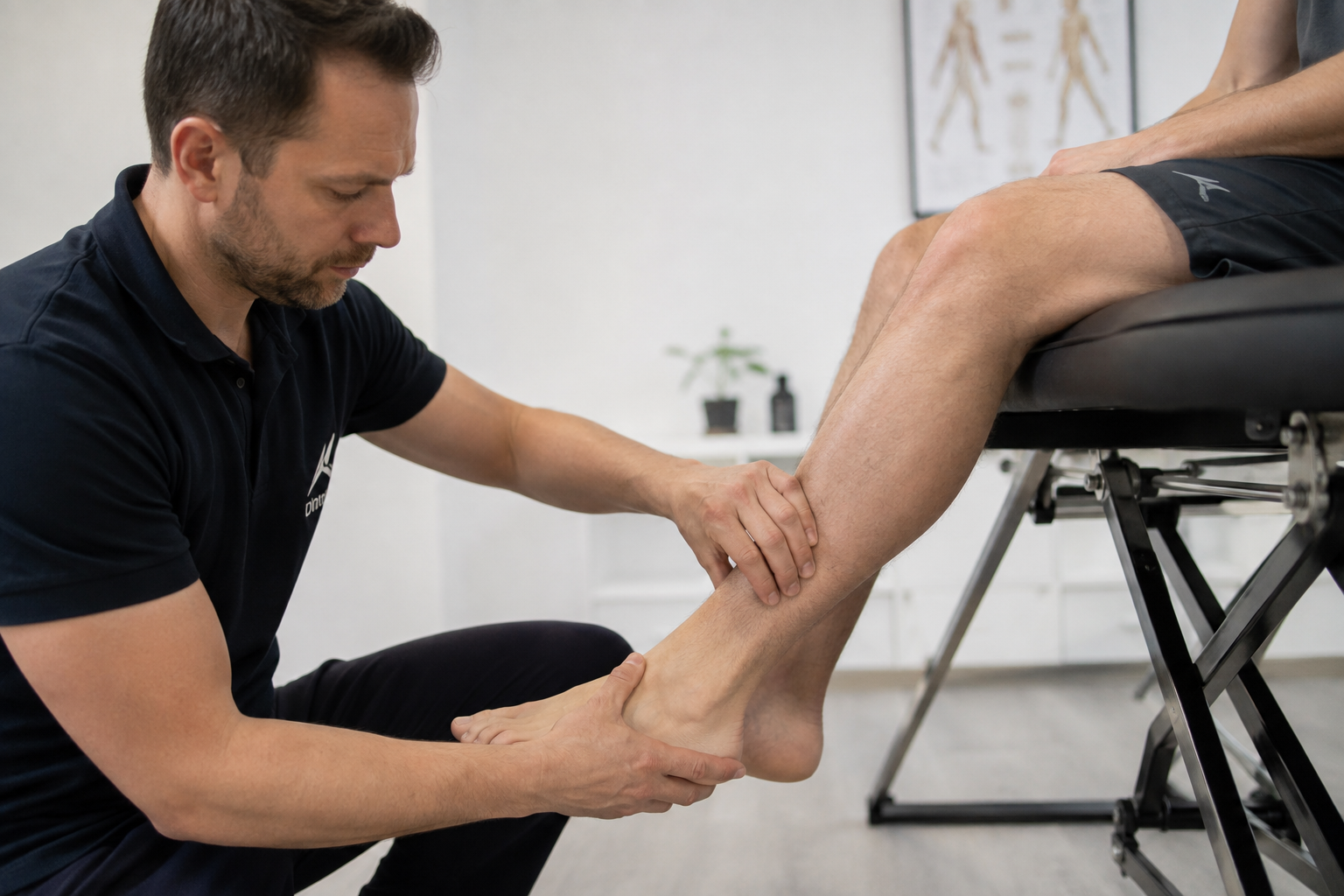
- you feel the pain at one specific point on the shin, or that point is very sensitive to pressure (this may indicate a stress fracture and requires prompt assessment)
- the symptoms keep returning as soon as you increase your training intensity
- you are unsure how to safely build your training back up
Want to know more about the background and guidelines regarding exercise-related lower leg pain? On the guideline page for exercise-related lower leg pain syndromes you will find reliable, evidence-based information. Are you suffering from pain on the outside of your knee or around the kneecap? Then read our articles on runner's knee and patellofemoral pain.
Help with shin splints at USC
At USC Physiotherapy, we help runners return to running pain-free and with confidence: with a personalized training plan, tailored strength exercises, and, where necessary, a running analysis. View our page on sports physiotherapy or book an injury consultation directly.